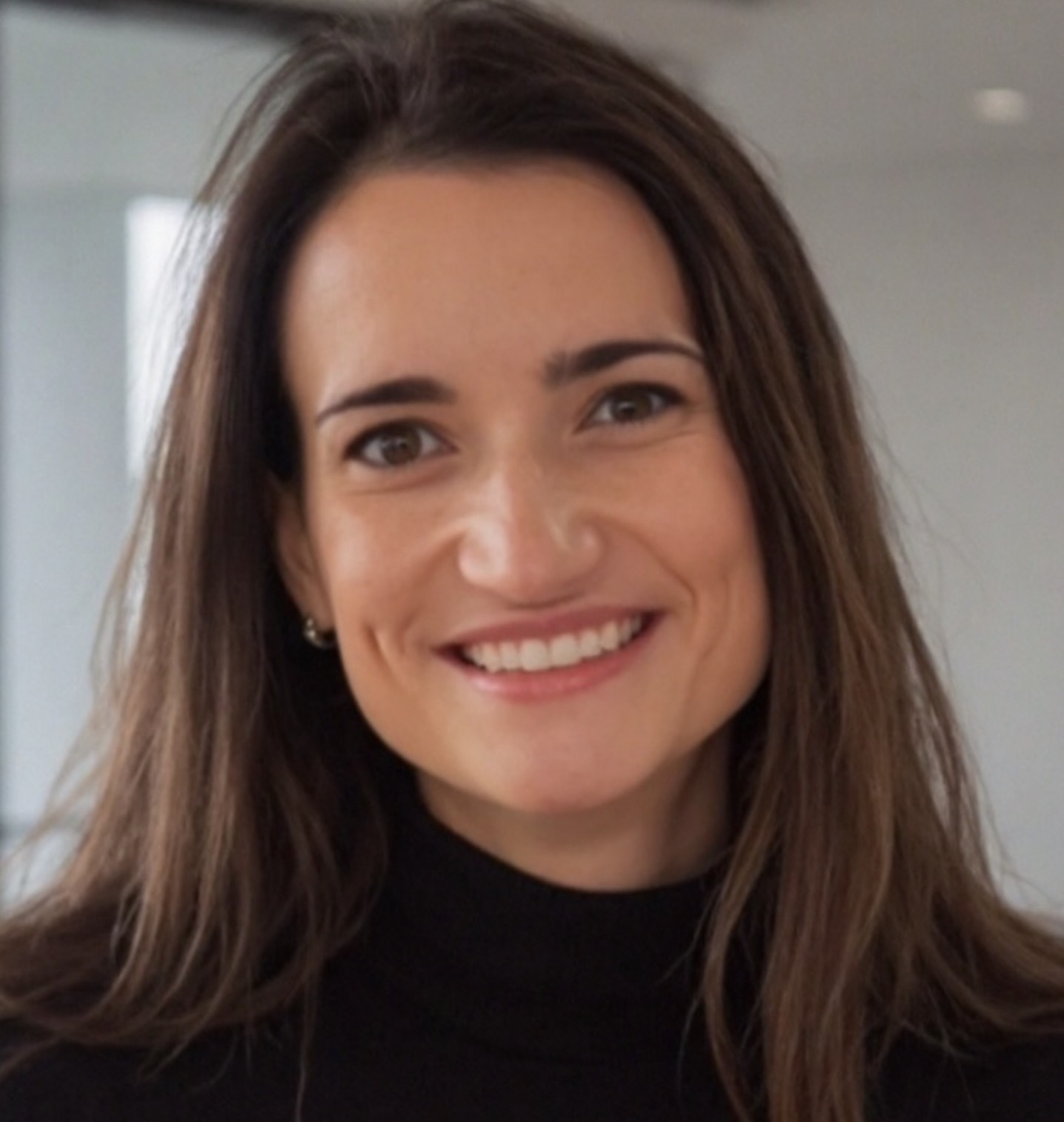
Founded and led by Sophie Lemieux.
Each system has memory that connects company knowledge and past decisions, evaluations that test accuracy, judgment, and consistency, and feedback loops that improve performance over time. After launch I keep running those evaluations, update the system when the company's process or tools change, and track what it handled and where a person had to step in.
Before founding Unsupervised in Montréal, I spent ten years inside startups leading people and operations through growth and transformation. That work taught me where the judgment calls sit in a company and which of them should stay with a person, and it is why many of my systems start in hiring, onboarding, and internal operations.
Teams build with me in the room.
I run hands-on sessions where every person builds on their own work, for venture funds, their portfolio companies, and communities of builders.
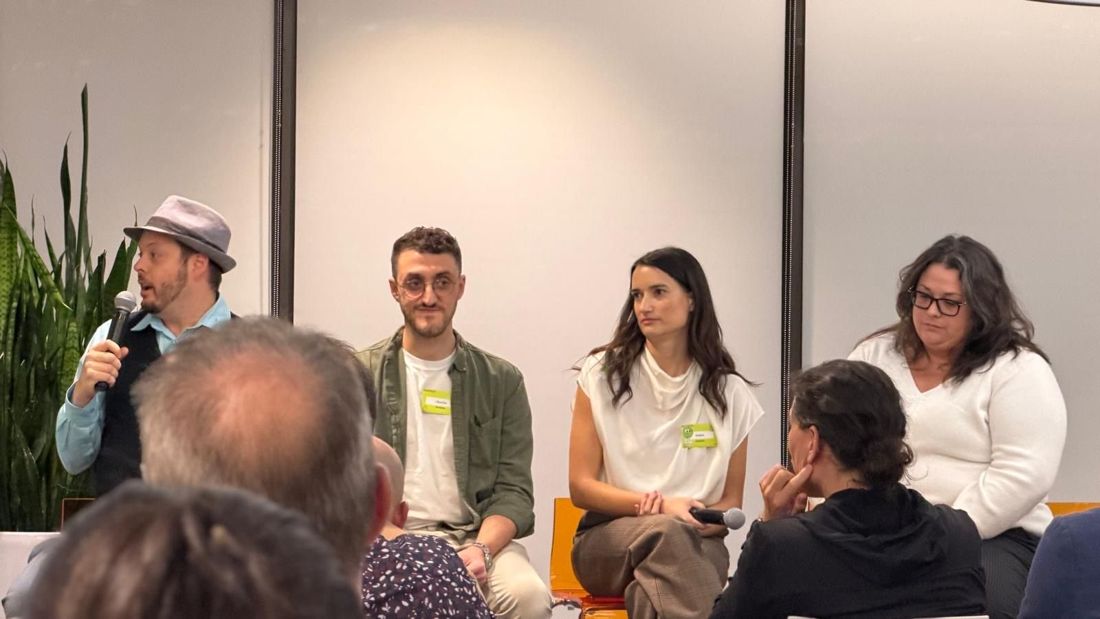
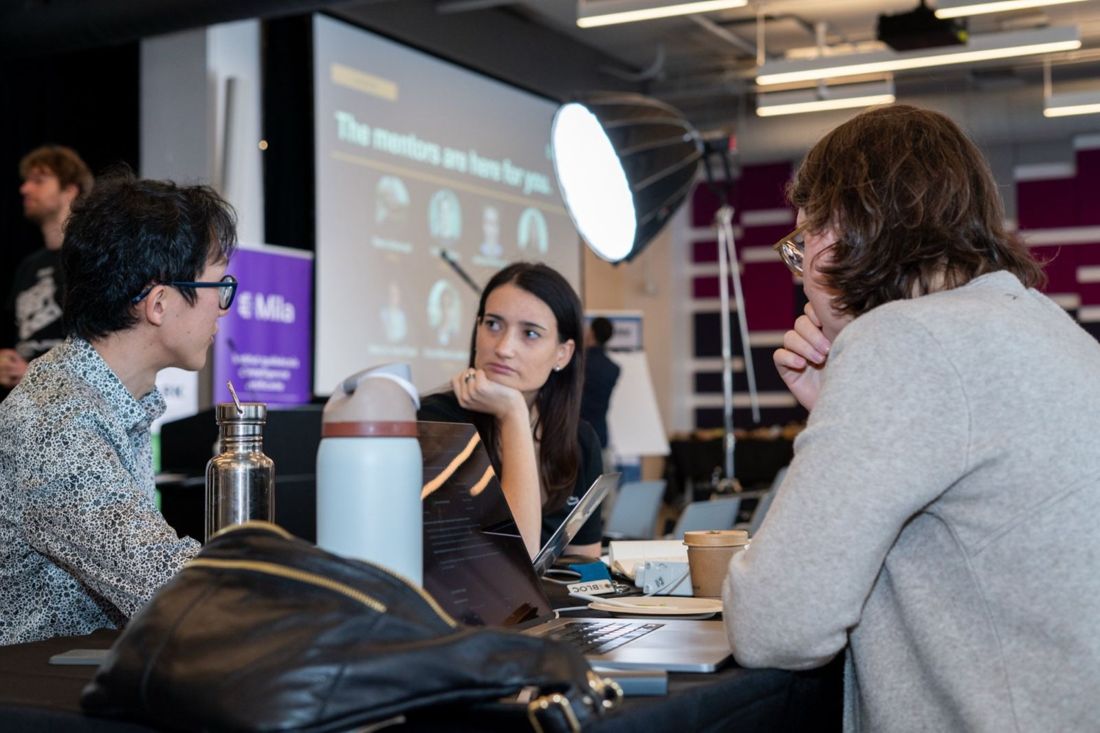
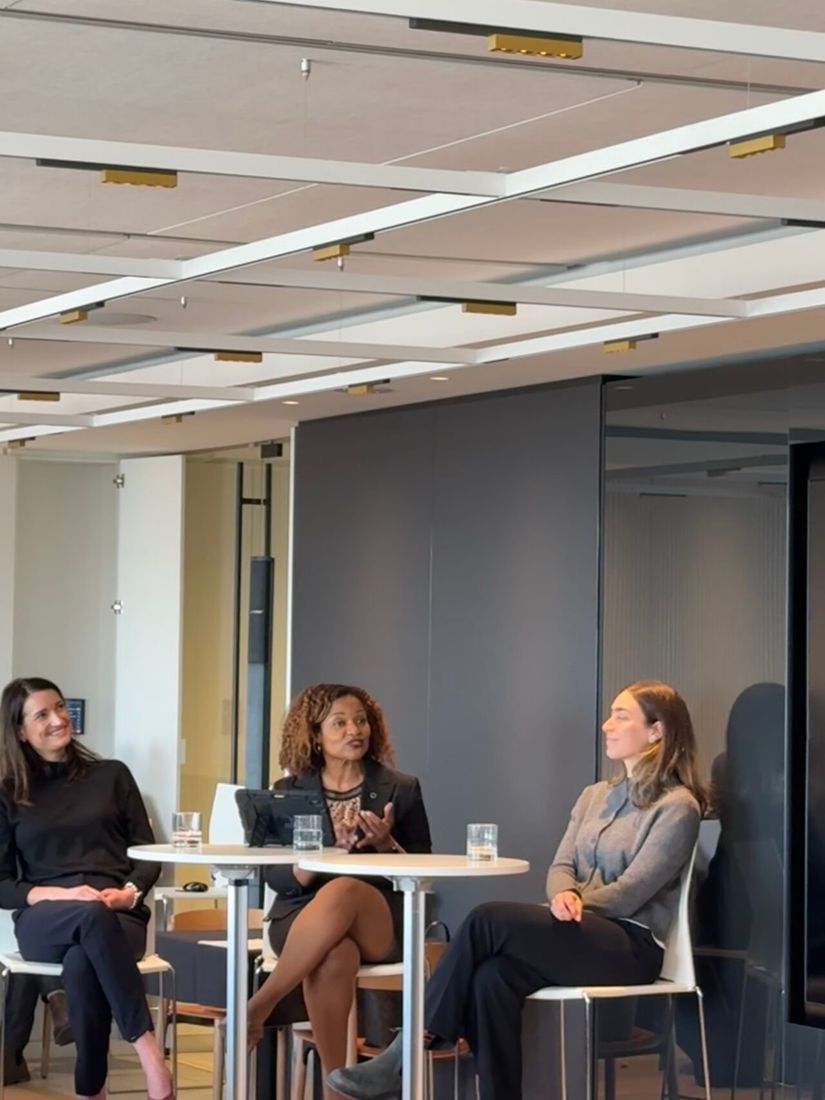
- humAIn 2026 · a panel at Intact
- SheBuilds Montréal · a buildathon for more than 100 women on International Women's Day, co-organized
- Amiral Ventures · the AI First Enterprise Workshop
- Venture for Canada · a session on AI safety and ethics for the student cohort
Why it is called unsupervised.
My background is in neuroscience, and the name comes from the way brains and machines learn the structure of the world without anyone labelling it for them. The systems I build are designed to work the same way.
In the brain
Most of what a brain learns, it learns without a teacher. In the first months of life a baby picks up the patterns in faces, voices and language long before anyone names them, because the brain keeps predicting what comes next and adjusts every time it is wrong.
In machine learning
Unsupervised learning is the branch of machine learning where a model finds the structure in data on its own, with no labelled answers to copy. Large language models start this way, learning from enormous amounts of text before anyone shows them a single correct answer.
In an agentic workflow
An unsupervised system carries a whole workflow without a person approving every step. Each agent knows its job, evaluations check its work against your standards, and a person steps in only where a judgment call belongs to them, so your team stops supervising the routine work and keeps the decisions that need it.